

How to Become an Airline Pilot?
The Path to the Cockpit
Becoming an airline pilot is a dream for many, but this path demands dedication, discipline, and an unwavering passion for aviation. In this article, we guide you through the essential steps to become an airline pilot and share the lived experiences of a seasoned captain.
1. Understanding the Prerequisites
The initial step towards becoming an airline pilot involves comprehending the essential prerequisites. Aspiring pilots must possess a secondary education diploma, and a university degree is frequently recommended. Proficiency in mathematics, physics, and English is crucial, as these disciplines are extensively applied within the aviation sector.
2. Obtaining a Private Pilot License (PPL)
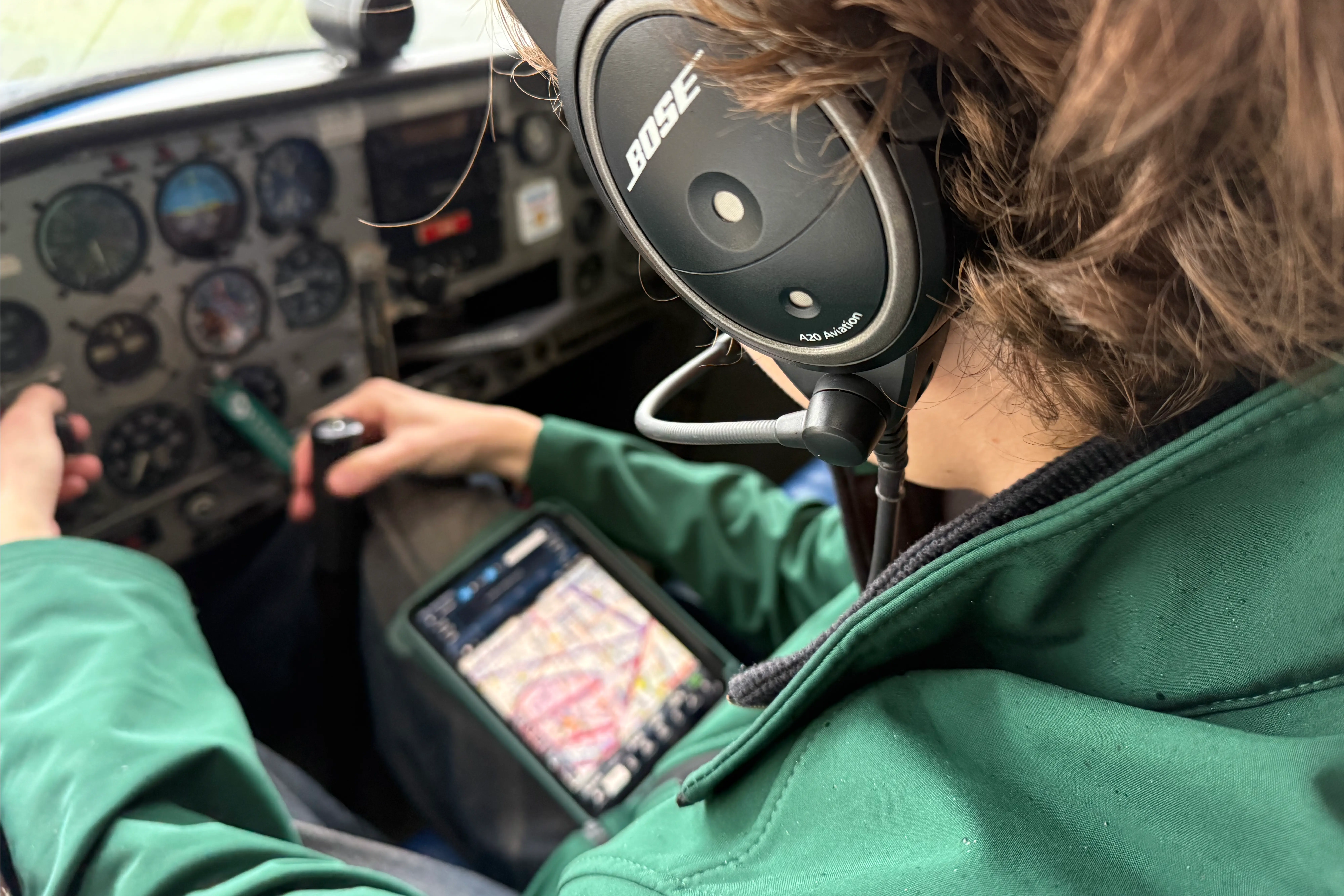
Prior to operating commercial aircraft, aspiring pilots must first obtain their Private Pilot License (PPL). This license authorizes the operation of light aircraft and facilitates the accumulation of requisite flight experience. “The PPL serves as your fundamental introduction to the realm of aviation. Leverage each flight to gain new insights,” advises Captain Martin Dupont, a pilot with over two decades of experience.
3. Accumulating Flight Hours
To progress towards an airline pilot career, a substantial accumulation of flight hours is mandatory. Most air carriers mandate a minimum of 1500 hours. These hours encompass flight time as pilot-in-command and as first officer under diverse meteorological and operational conditions.
4. Obtaining the Airline Transport Pilot License (ATPL)
Upon accumulating sufficient flight hours, the subsequent stage involves acquiring the Airline Transport Pilot License (ATPL). “The ATPL is your credential for the cockpits of wide-body aircraft. Each examination passed and every successful simulation brings you closer to your ultimate objective,” states Captain Dupont.
5. Continuing Training and Certifications
Even after obtaining the ATPL, pilots are required to pursue continuous learning and certification in specialized domains. This may encompass type ratings for new aircraft, advanced safety training, and endorsements for international flights.
6. Gaining Experience in Piloting Roles
Newly qualified pilots frequently commence their careers in first officer roles or with regional airlines before transitioning to larger aircraft and international operations. “Every flight presents an opportunity to learn from your captains and refine your proficiencies,” explains Captain Dupont.
7. Career Progression
With accumulated experience and honed competencies, pilots can advance to the role of Captain, overseeing the flight crew and operational procedures. “The day you assume command as Captain, you will recognize that every effort was unequivocally worthwhile,” affirms Captain Dupont.
Conclusion
Becoming an airline pilot is a demanding yet profoundly rewarding career path. It necessitates rigorous training, an unwavering commitment to continuous learning, and a deep-seated passion for aviation. By adhering to these stages, you could one day command an aircraft across the skies, thereby fulfilling a lifelong aspiration.
For further information regarding pilot training and career opportunities, please consult our website or contact our team of advisors.